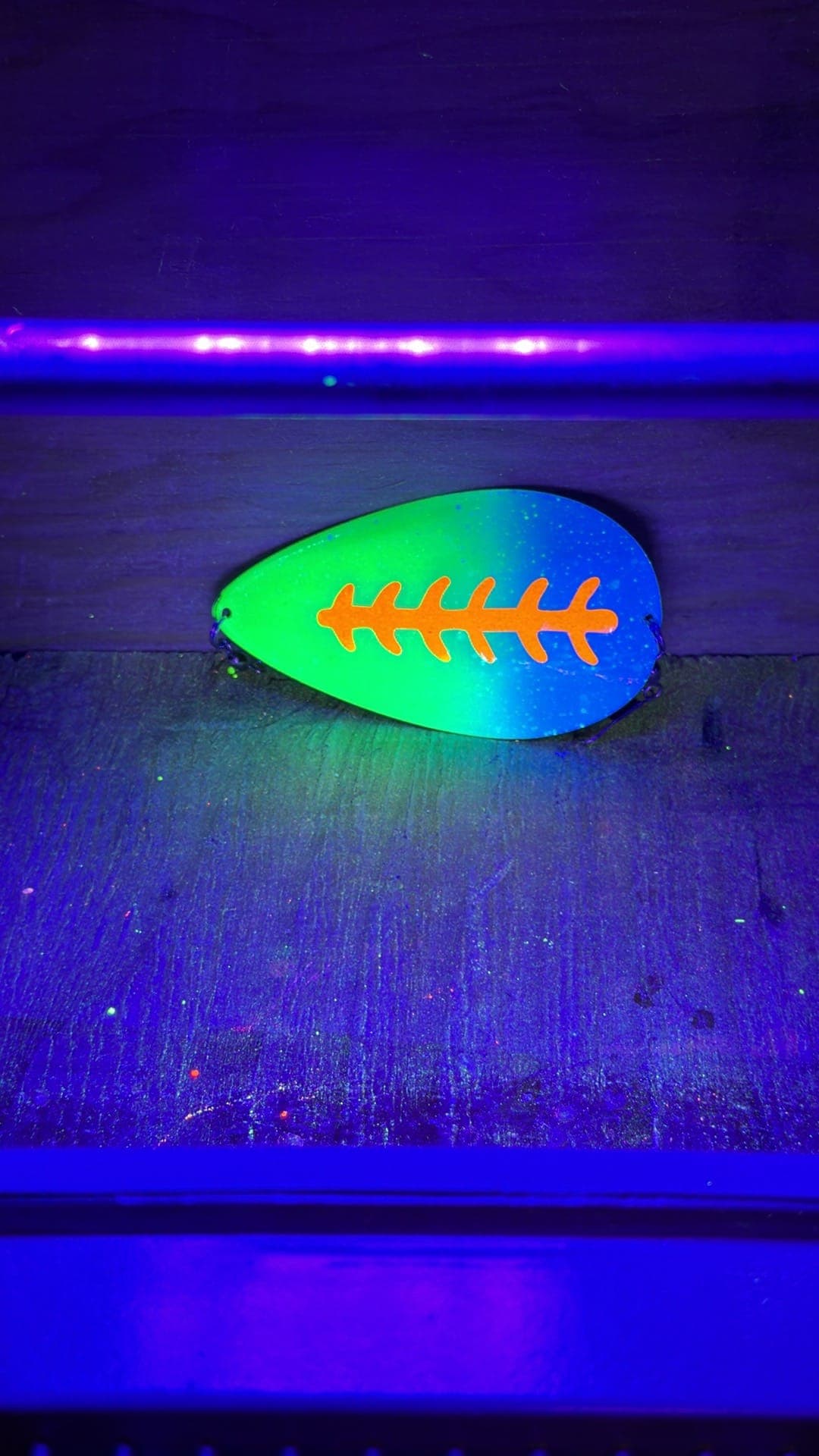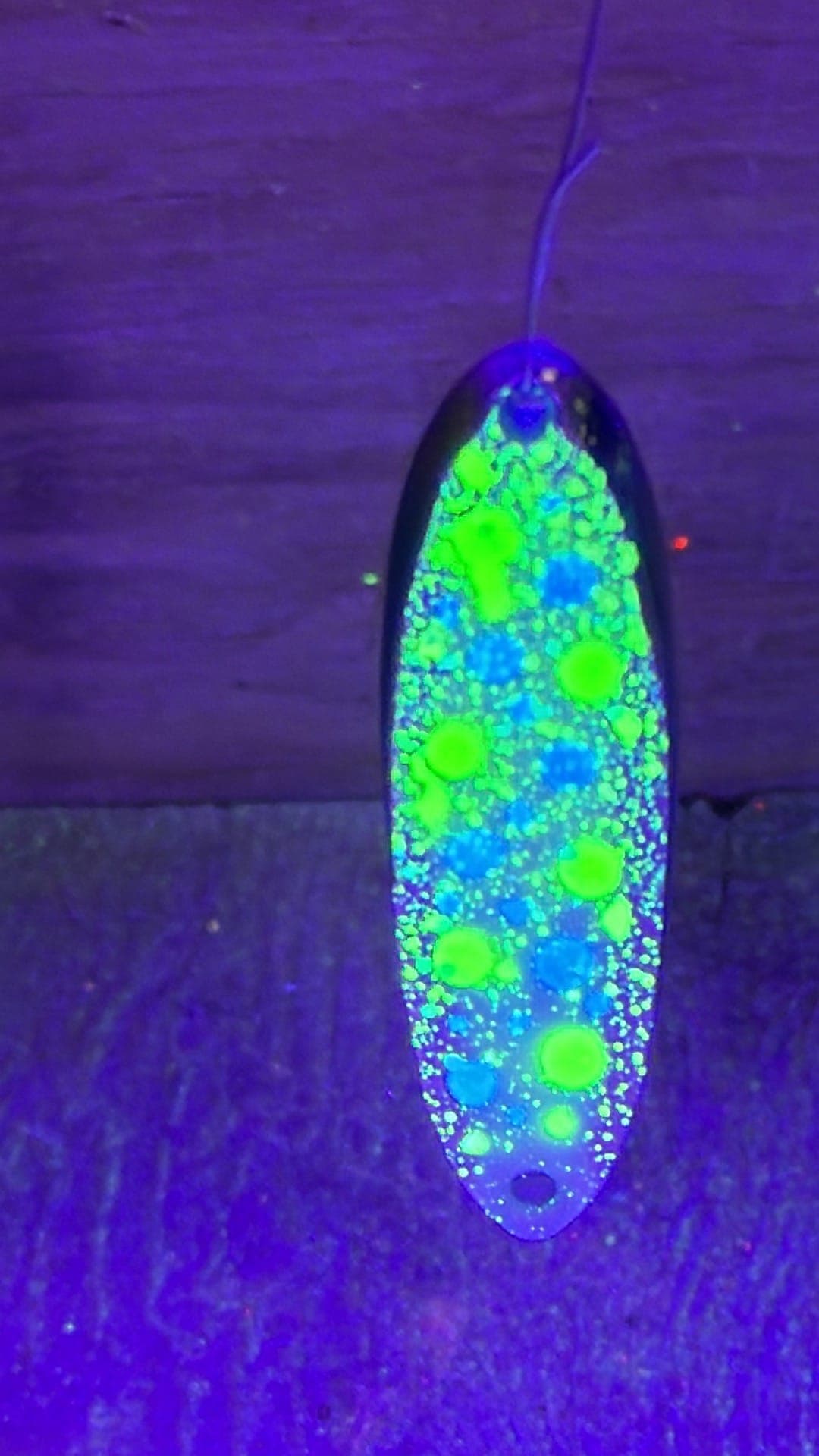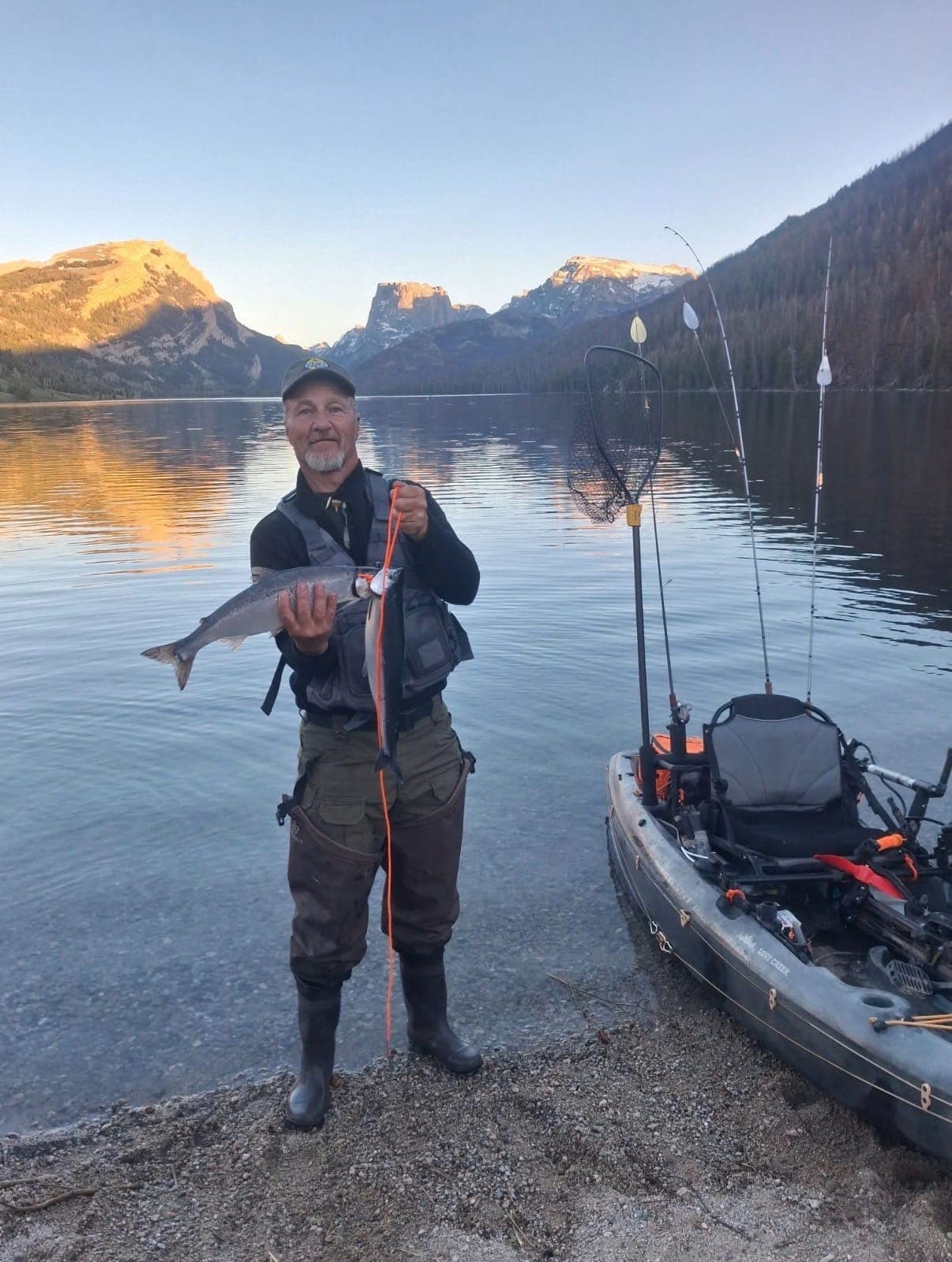
GPS speed, not feel. The 0.1 mph windows that turn a slow day around. Verified across 240 client trips.
GPS speed beats prop wash
Current, wind, and dodger drag all change the speed your spoon actually moves through water. The number on your GPS is the only honest measure. Calibrate your kicker / electric troller to hold ±0.1 mph and use the GPS readout, not the throttle.
The species table — GPS mph
Three years of guide logs reduced to a cheat sheet. Memorize this. Tape it inside the lid of your tackle box.
- Kokanee: 1.0 - 1.4 mph (start at 1.2, drop to 1.0 for cold mornings)
- Rainbow trout: 1.4 - 2.0 mph
- Brown trout: 1.6 - 2.4 mph
- Coho salmon: 2.0 - 2.6 mph
- Chinook salmon (mature): 1.8 - 2.6 mph
- Lake trout (mackinaw): 1.2 - 1.8 mph, slower in cold water
- Steelhead (trolled, not drifted): 1.8 - 2.2 mph
When fish are slow, slow down by 0.1
The single biggest mistake on a slow day is speeding up to "cover more water." A 0.1 mph drop is the most consistent bite-trigger in low-pressure conditions. Try 1.0 → 0.9 → 0.8 in 5-minute increments. Note the speed when the rod buckles, then troll that speed for the next hour.
S-turns are speed changes
A gentle S-curve troll changes the inside rod's speed (drops it ~20%) and the outside rod's speed (raises it ~20%). Both rods get a "speed test" on every turn. If the outside rod buckles consistently on turns, you're trolling too slow. If the inside rod buckles, too fast. Use turn data to dial in straight-line speed.
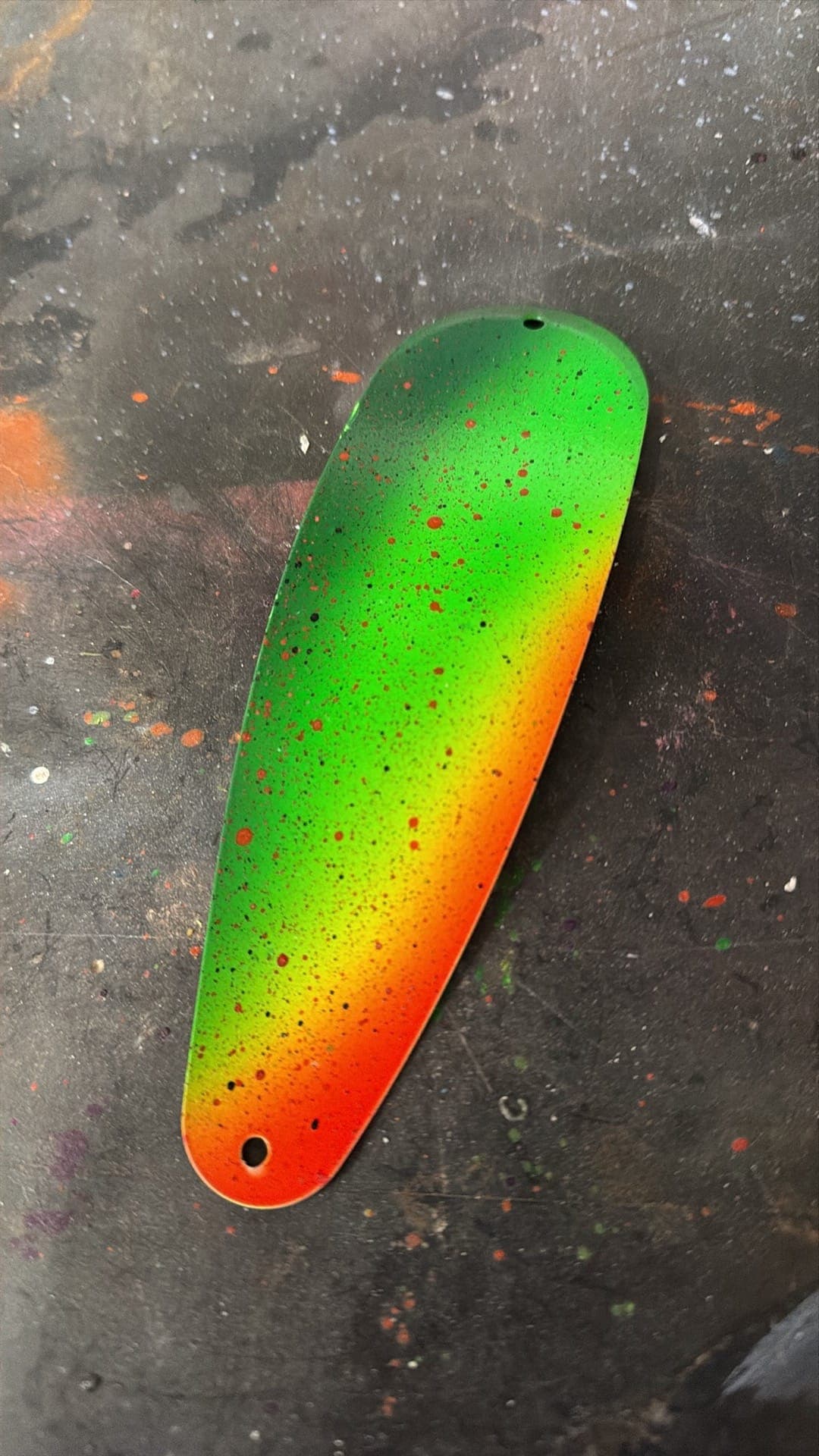
Stampede Glow
Hand-painted glow spoon tested by Brent Kowalski on Stampede Reservoir, CA. Built for kokanee, rainbow trout.